
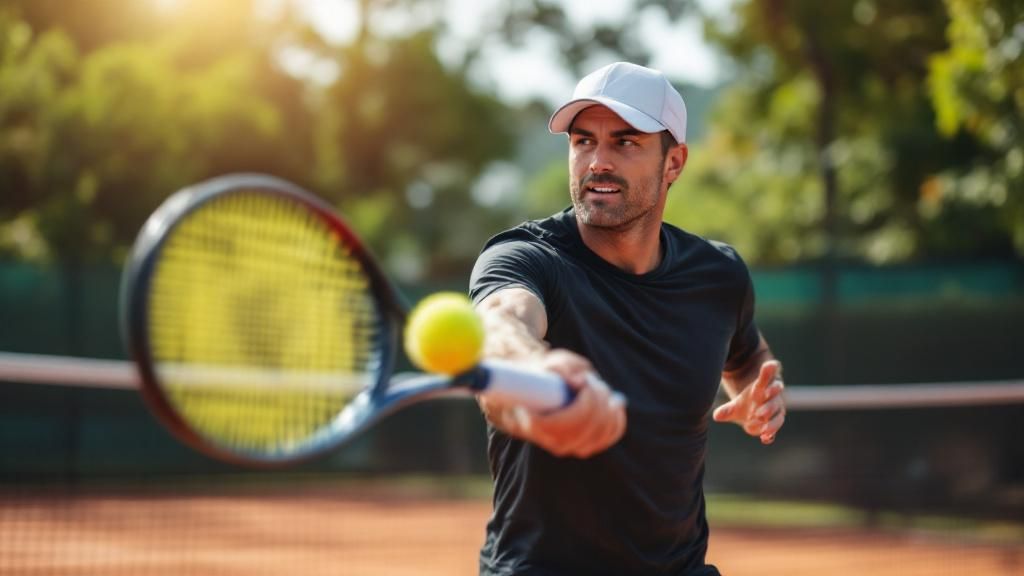
Iga Swiatek has enlisted Francisco Roig, the loyal mentor who guided Rafael Nadal through 22 Grand Slam victories, as her fresh coaching appointment in a bid to reclaim her French Open dominance. The Polish top-four ranked player, who has won four of her six Grand Slam titles at Roland Garros, made the announcement on Instagram earlier this week after parting ways with Wim Fissette due to disappointing early-season results. Swiatek, 24, has already begun working with Roig at Nadal’s academy in Majorca, with the Spanish legend himself providing direct instruction as she gets ready for next month’s clay-court showpiece in Paris. The partnership marks a significant shift in strategy for the major champion, who had a difficult 2026 with quarter-final losses at both the Australian Open and Indian Wells.
A tactical shift for the Polish champion
Swiatek’s decision to appoint Roig represents a fundamental recalibration of her playing strategy. After going through both tremendous highs and devastating setbacks under Fissette’s tutelage, the 24-year-old is pursuing a fresh perspective from someone deeply versed with consistent success on clay. Roig’s 17-year tenure with Nadal gives him unparalleled insight into the technical adjustments and psychological strength needed to excel at the highest level. Having previously worked with Emma Raducanu, Roig has also shown his ability to work successfully alongside varied approaches and temperaments, making him a perfect match for Swiatek’s current needs.
The timing of this coaching change is vital, as Swiatek aims to rediscover the consistency that made her a four-time French Open winner between 2020 and 2024. In recent times, she has recognised a propensity for excessively aggressive, erratic striking when facing pressure—a shift away from the baseline stability and ball control that formerly characterised her game. By working at Nadal’s academy with the greatest clay-court player himself offering counsel, Swiatek hopes to recalibrate her mentality and get back to being “a rock on the court,” as she outlined her ideal playing style to Polish media.
- Roig credited with coaching breakthroughs during Nadal’s 22 Grand Slam victories
- Swiatek earlier reached out to Nadal seeking coaching advice following Fissette’s exit
- Emphasis on court positioning rather than aggressive hitting in demanding situations
- French Open starts in the coming month as main objective for Swiatek’s return
Why Roig constitutes the perfect match
The Nadal link and technical skill
Francisco Roig’s credentials are rarely equalled in the coaching profession. His partnership spanning 17 years with Rafael Nadal provided him with an deep knowledge of how to sustain elite-level performance across various surfaces, but most notably on clay where the legendary Spanish player reigned supreme. During Nadal’s exceptional career, which concluded with 22 Grand Slam titles, Roig was instrumental in orchestrating the tactical modifications that ensured continued competitiveness against developing rivals. His collaboration with Nadal’s lead coaches—uncle Toni Nadal and later Carlos Moya—established him as the creator of tactical breakthroughs that characterised one of the greatest careers in sporting history.
What sets Roig apart is his demonstrated capacity to apply that high-performance expertise to diverse players with unique on-court methods. His latest five-month period working with Emma Raducanu demonstrated his flexibility and ability to partner with athletes competing beyond the clay-specialist sphere. For Swiatek, this blend of profound clay experience and flexibility with different tactical approaches makes him uniquely equipped to address her current technical and mental challenges while maintaining the base she has established.
Nadal’s active involvement in Swiatek’s coaching transition emphasises the weight of this collaboration. The 24-year-old Polish champion has previously sought the Majorcan’s guidance during pivotal periods, and his recommendation of Roig commands significant credibility. By practising at Nadal’s academy with the icon delivering live coaching, Swiatek gains access to a support network that links accumulated experience with personalised mentorship, establishing an atmosphere conducive to recovering the consistency that positioned her a dominant French Open power.
Swiatek’s recent difficulties and the way forward
| Tournament | Result |
|---|---|
| Australian Open 2026 | Quarter-final exit |
| Indian Wells 2026 | Quarter-final exit |
| Miami Open 2026 | First-round loss |
| French Open 2025 | Semi-final defeat to Aryna Sabalenka |
Swiatek’s 2026 campaign has been notably erratic, a significant divergence from the superiority she displayed between 2020 and 2024 when she won four titles at Roland Garros. The last-eight eliminations at both the Australian Open and Indian Wells exposed core deficiencies in her game, whilst her opening-round exit at Miami in March triggered an urgent review of her coaching structure. These results have raised concerns about whether her recent success at Wimbledon constitutes a lasting change in her capabilities or simply a temporary achievement. The Roig’s appointment is deliberate, with the French Open—historically her stronghold—now less than a month away.
In recent interviews, Swiatek has articulated her desire to return to being “a rock on the court,” a philosophy that speaks to her recent shortcomings. Rather than relying on wild, aggressive hitting when pressure mounts, she intends to rediscover the court consistency and steadiness that defined her earlier success. This approach involves forcing opponents into mistakes through sustained rallies rather than pursuing risky shot-making. Roig’s coaching knowledge in developing durable, pressure-resistant tactical strategies aligns perfectly with Swiatek’s expressed goals, offering a pathway to reclaim the mental strength and fortitude that established her as a dominant clay player.
Restoring foundational stability and accuracy
Swiatek’s strategic shift under Roig is built around a fundamental principle: baseline dominance rather than reliance on aggressive shot-making. This represents a conscious rejection of the risky strategies that have damaged her results in the past few months, particularly when facing pressure situations. By reasserting herself as a dependable presence from the back of the court, Swiatek seeks to exhaust her rivals through prolonged exchanges and court positioning. The strategy echoes the methodology that defined her previous achievements, where methodical play worked together to force errors from competitors. Roig’s coaching expertise, developed over almost twenty years working with Nadal, makes him perfectly suited to enhance this fundamental element of her playing style.
The psychological dimension of this tactical recalibration cannot be understated. Confidence at the baseline translates directly into composure during critical moments, enabling players to rely on core skills rather than pursuing desperate winners. Swiatek’s admission that she wants to become “a rock on the court” reflects an understanding that long-term achievement requires stability over spectacular shot-making. Roig’s expertise lies precisely in this domain—constructing game plans that prioritise consistency whilst maintaining competitive edge. By focusing on depth, angle variation, and court positioning, Swiatek can gradually restore the defensive resilience that previously made her nearly impenetrable on clay surfaces, particularly at Roland Garros.
The clay-court superiority
Clay courts have consistently enhanced Swiatek’s strengths, and this court-tailored skill forms a pillar of her partnership with Roig. The deliberate tempo of clay enables lengthy points that suit baseline specialists, rewarding the precise footwork and resilience that characterise her best performance. Swiatek’s 4 Roland Garros championships across 2020-2024 demonstrate her exceptional capability on this surface, yet her latest semi-final loss to Aryna Sabalenka—where she was whitewashed in one set—implies her dominance on clay has turned fragile. Roig’s familiarity with Nadal’s clay-court mastery provides crucial understanding into sustaining dominance on this challenging court whilst responding to changing competitive demands.
